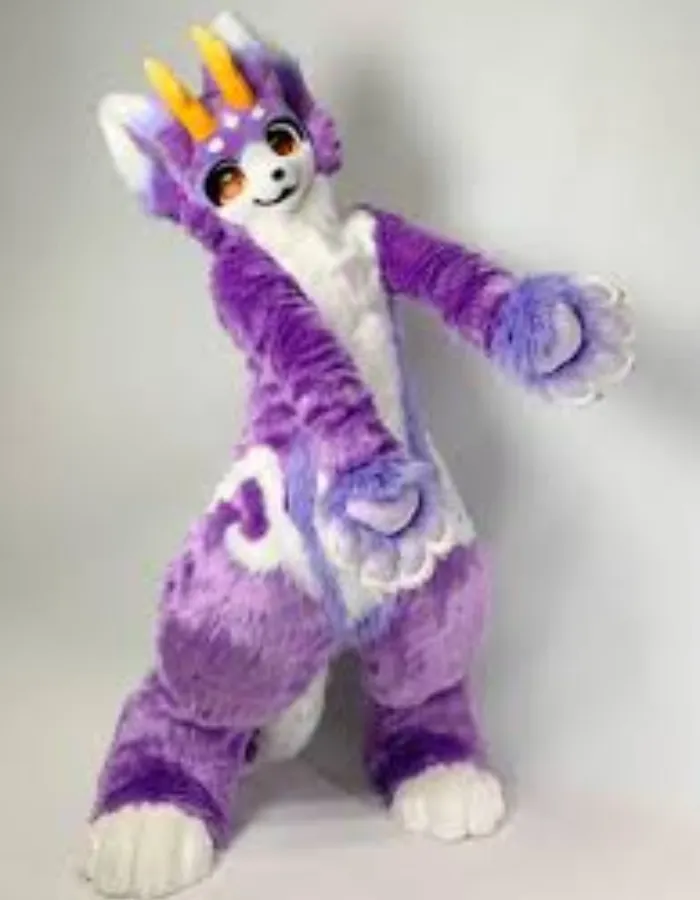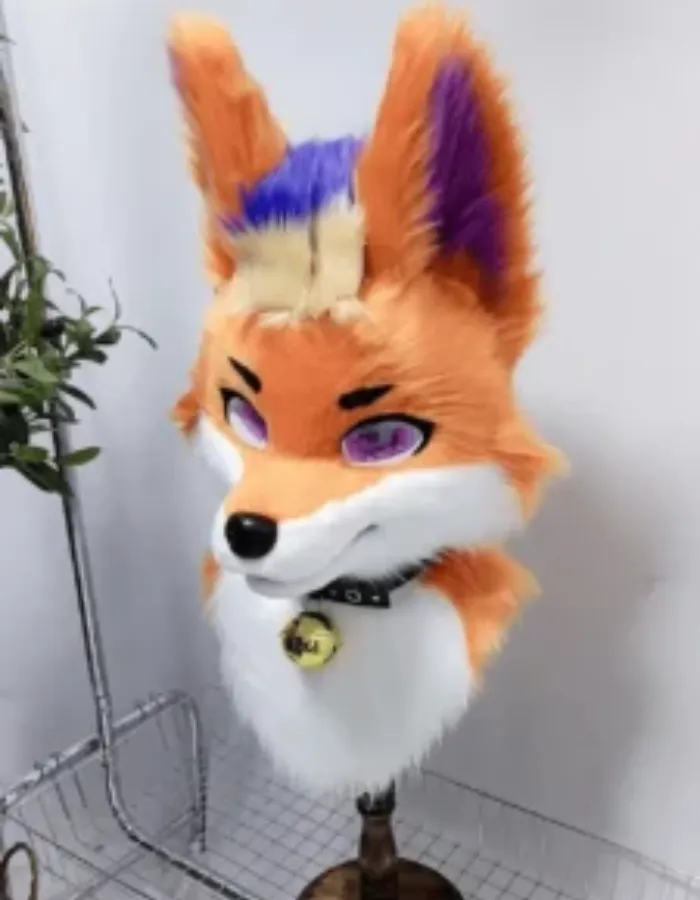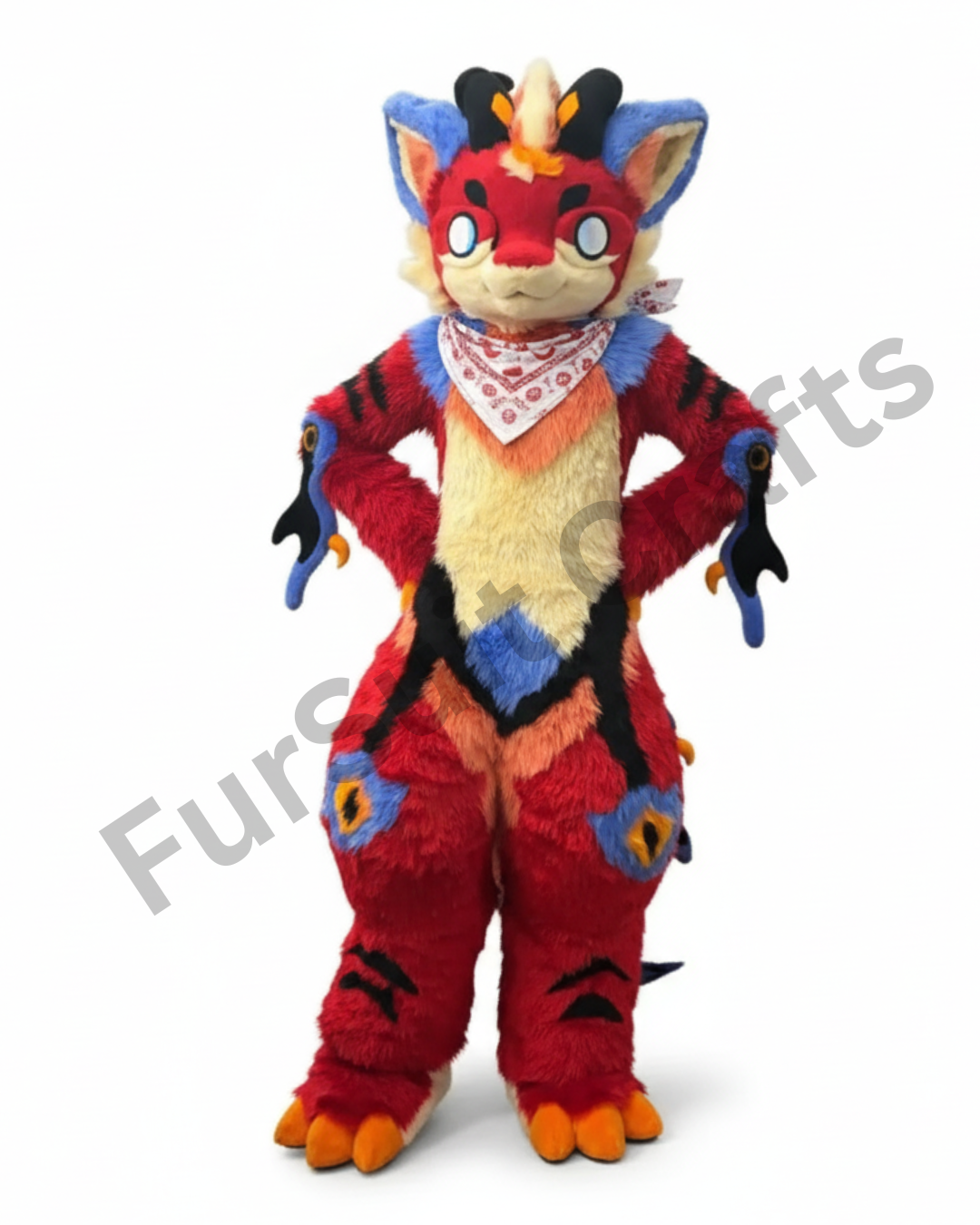

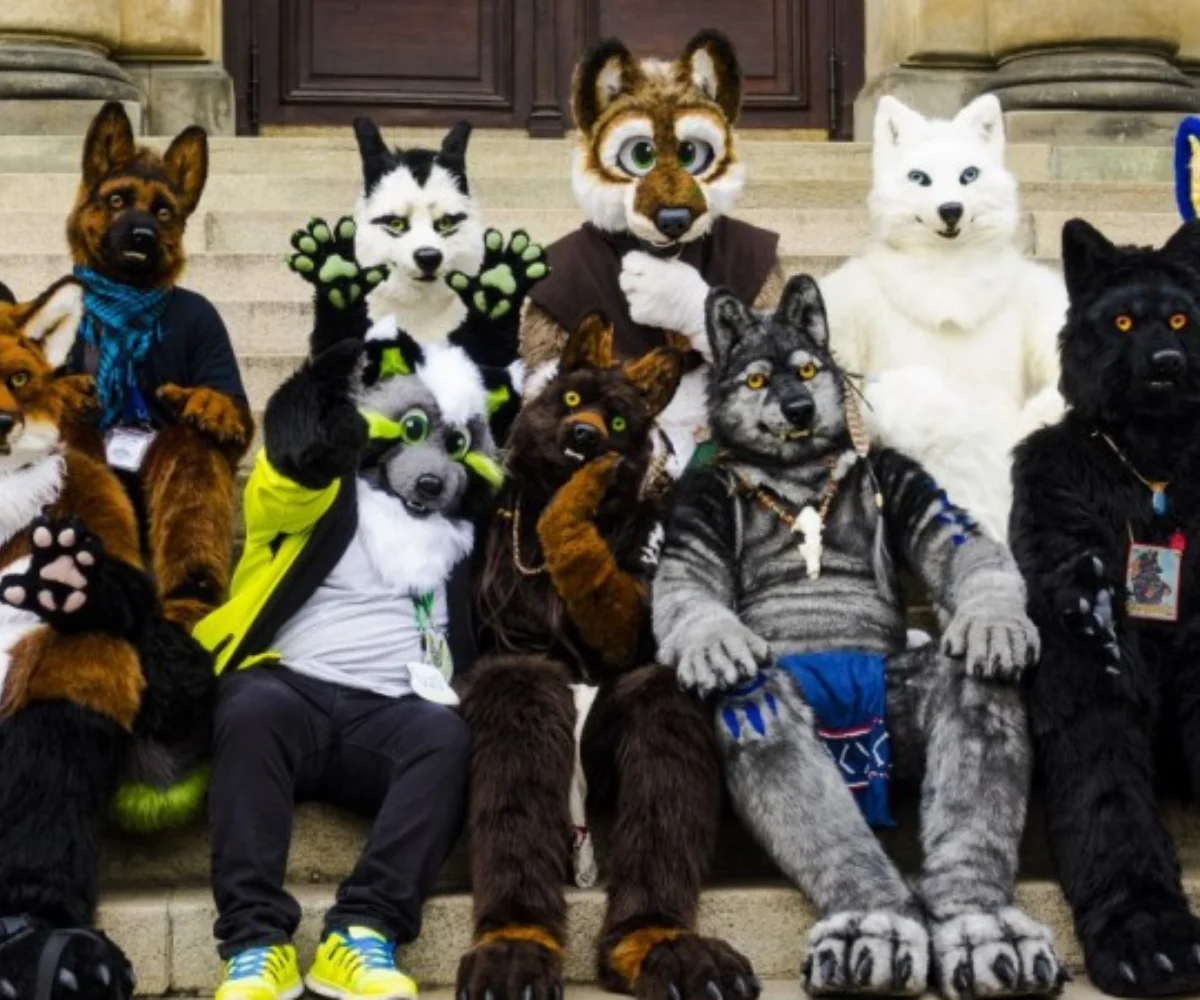
To see the true price of a fursuit, one must look beyond superficial prices and to the depth behind the fabricated work and the handwork and tailoring. How much does an average fursuit cost is also a frequently asked question among both first time fursuiters and long time members of the fandom, since the price can be extremely different depending on a variety of professional reasons. Since the partials of beginners can be bought, up to the full professional works, each detail influences the end values, durability, and comfort.
The Basics of Fursuit Pricing
The price of a fursuit depends on the amount of work done in designing a fur, the quality of the construction, and the level of experience of the creator. Entry-level costumes are normally less complicated and are not concerned with performance longevity but with visual effects. Sculpture of high end, however, comes with sophisticated sculpturing, fitting, and professional finish. All these factors paint the total investment one needs in a quality suit.
Types of Fursuits and Their Cost Ranges
Fursuits are broadly divided into three categories, including partials, plantigrade suits and digitigrade suits. Parts such as heads, paws and tails are the least expensive because they are part. The human leg structure is closer to that of a plantigrade, which is simpler to make, whereas the structure of animal legs is modeled by the digitigrade suits, which demand more sophisticated methods of padding. The different types require varying material requirements and man hours, and these have a direct influence on cost.
Materials Used in Fursuit Construction
Professional uses require the use of high grade faux fur, durable upholstery foam, breathable lining fabrics and reinforced stitching. Head bases can be made out of EVA foam or resin, with eyes either having acrylic domes or 3D-printed mesh to be able to see. High quality materials are costly but offer high durability, comfort and the aspect of realism in the long run.
Labor, Skill, and Time Investment
Much fursuit expense is in labor. Artisans can take hundreds of hours of their time to create, sew, shave and fix details. Symmetrical marks, airbrushing and articulated jaws are precision work, which takes years to develop. This artisanship guarantees smooth movement, comfort when wearing over a long period of time and a final look of polish that cannot be achieved using a mass-produced item.
Customization and Character Design Impact
Designs on their original characters are often expensive because it involves special patterns of colors, special markings and special accessories. Additional features such as wings, LED lighting, detachable tongues or magnetic eyelids are time and complexity add-ons. The more customizable the design the greater amount of planning, testing and refining, which increases the overall cost.
Comfort, Cooling, and Wearability Features
Good quality fursuits will have internal cooling fans, moisture wicking liners and ergonomic padding. Such features are necessary when the performers are visiting a long convention or stage performance. Improved ventilation systems and light-weight internal structures decrease fatigue and overheating, which is a good addition to the buildings even though these features come at a higher price.
Experience Level of the Maker
The reputation of a skilled producer is an important factor in pricing. Established makers with established portfolios, consistent quality and high demand usually have high prices as they are in limited availability. Their prices are a factor that demonstrates trustworthiness, effective communication, and sophisticated methods that reduce mistakes and guarantee satisfaction in the long-term to the wearer.
Maintenance, Repairs, and Long-Term Value
In addition to the first acquisition, long-term ownership entails cleaning materials, storage, and repair and upkeep every now and then. Professionally stitched and reinforced seam suits need less repairs and will last long. Initial costs would save on future expenditures and maintain resale value in the fandom market.
Market Demand and Seasonal Pricing
The cost of fursuits may vary depending on the demand, particularly during large events in a fandom and during seasonal periods. The slots on the commission can be booked fast which adds more time and expenses to the wait. Scheduling the orders when the demand is low could occasionally decrease the prices but still attain the professional level of workmanship.
Budget Planning for First-Time Buyers
New clients are advised to match their expectations and real budgets. Picking the partials or simplified designs will enable one to enter the fandom without the need to spend a lot of money. The upgrades with time also contribute to distributing costs and, consequently, attaining a personalized and professional appearance.
Budget Planning for First-Time Buyers
A fursuit is an art piece as well as an acting aid. To most people, it is valuable as a means of self-expression, communing, and creativity. To determine the extent to which an average fursuit would cost, it is important to consider the emotional value, durability, and craftsmanship together with price on its own.
Final Cost Perspective
The prices of fursuit crafts are based on art, engineering, and effort and not only on materials. Since design consultation to the ultimate fitting, each step adds to the ultimate investment. The knowledge of such factors will make buyers make an informed choice, and they will value the work of every professionally crafted suit.